October 13, 2026
Maintaining a comfortable indoor climate requires a dependable heating and cooling system. When equipment runs properly, indoor temperatures stay comfortable despite changing weather. However, mechanical components can suffer sudden breakdowns without warning. Recognizing early warning signs helps homeowners address small issues before major failures happen. Seeking immediate HVAC repair protects equipment, preserves comfort, and keeps your home safe.
Spotting Unusual System Noises
High-pitched squealing or screeching sounds coming from equipment signal mechanical friction. These noises typically indicate a worn belt, failing bearings, or an unlubricated fan motor. Ignoring high-pitched sounds can cause fan belts to snap or motors to seize. Scheduling prompt HVAC repair addresses motor issues early and prevents component damage. Regular service visits keep moving parts lubricated and belts tensioned properly.
Dealing With Banging or Clanging Noises
Heavy banging or clanging sounds usually indicate loose internal hardware.
Loose fan blades or detached motor mounts can strike surrounding panels during operation. Continuing to run equipment with loose parts risks causing extensive internal damage. Turning off power immediately upon hearing loud impacts protects internal structures. Professional inspection ensures all components remain securely fastened.
Addressing Persistent Rattling Noises
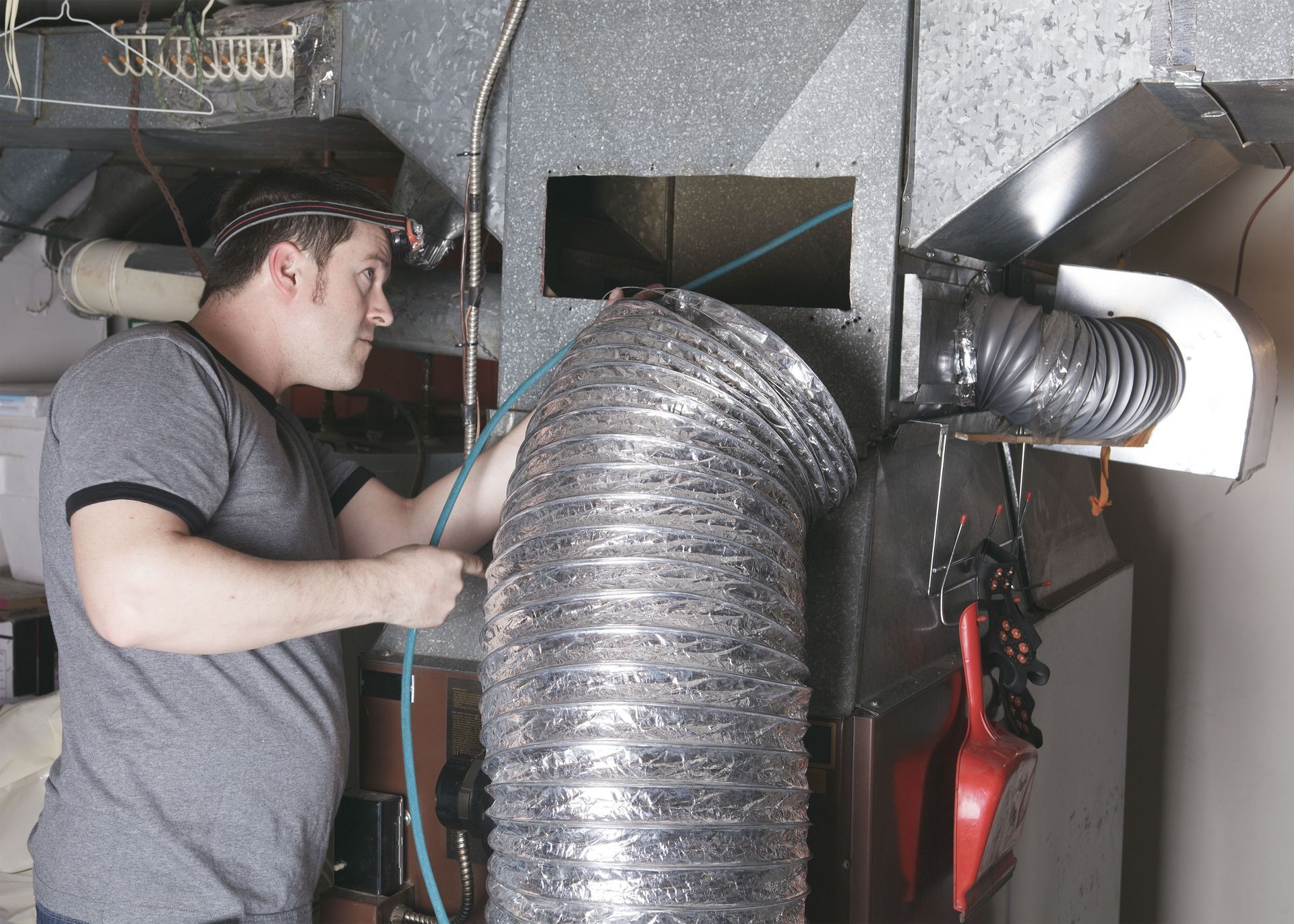
Rattling noises often stem from loose panel casing, loose hardware, or debris inside the cabinet. Ongoing rattling can point to deteriorating supports or loose ducting, decreasing operating efficiency and accelerating wear. According to ENERGY STAR, standard duct systems lose roughly 20% to30% of conditioned air through small gaps, unsealed joints, and damaged ducting. Securing loose panels and sealing duct joints stops rattling while restoring airflow.
Managing Heating and Cooling Discrepancies
Uneven temperatures across different rooms point to balance issues or duct problems. A room might feel uncomfortably hot while another area stays chilly. Thermostat calibration errors or blocked vents frequently create uneven comfort levels. Checking registers to clear obstructions helps maintain air movement. When temperature variations persist, professional evaluation can identify whether air dampers or ductwork require adjustments.
Fixing Weak Airflow From Vents
Weak airflow coming from registers forces equipment to run longer to reach thermostat settings. Decreased air movement typically results from dirty filters, crushed duct sections, or failing blower fans. Restricting airflow places extra strain on motors, leading to higher energy expenses. Replacing air filters routinely maintains air movement. If fresh filters fail to restore air strength, professional service can restore airflow.
Handling Frequent System Cycling
Rapid cycling occurs when equipment turns on and off constantly without completing a full cycle. This pattern prevents equipment from maintaining steady temperatures while causing unnecessary wear on electrical parts. Clogged air filters, improper thermostat placement, or oversized equipment often trigger short cycling. Resolving short cycling quickly protects major parts and reduces utility expenses.
Detecting Unpleasant or Unusual Odors
A persistent burning smell coming from supply vents requires immediate attention. Electrical burning odors can indicate overheating wiring, failing capacitors, or damaged motor insulation. Continuous burning smells signal electrical hazards requiring immediate system shutdown. Arranging emergency HVAC repair ensures qualified technicians inspect internal electrical connections safely.
Dealing With Musty or Moldy Scents
Musty smells coming from vents indicate moisture accumulation within equipment or air ducts. Excess condensation creates an environment where mold thrives, affecting indoor air quality. Clogged condensate drain lines or uninsulated duct surfaces allow moisture to pool inside the cabinet. Clearing blocked drain lines and wiping drain pans eliminates standing water. Thorough duct cleaning keeps indoor air smelling fresh.
Identifying Gas or Sulfur Smells
Detecting sulfur or rotten egg odors near heating equipment points to a gas leak. Utility providers add sulfur compounds to natural gas to help homeowners spot leaks quickly. Gas leaks create immediate safety risks and demand swift action. If sulfur odors appear, evacuate immediately and contact local utility providers or emergency responders. After securing gas lines, technicians can repair damaged pipes or faulty valves.
Responding to Complete System Malfunctions
Equipment failing to start during extreme weather creates immediate discomfort. Electrical issues like tripped circuit breakers, blown fuses, or triggered safety switches prevent equipment from powering up. Checking main electrical panels and verifying thermostat settings can resolve simple power issues. If circuit breakers continue to trip after resetting, an electrical fault exists within the equipment. Professional technicians diagnose wiring issues to restore power safely without damaging controls.
Fixing Unresponsive Thermostats
A non-responsive thermostat disrupts communication between temperature controls and heating or cooling equipment. Dead batteries, loose wiring, or dirty sensor elements cause thermostat displays to go blank or ignore adjustments. Replacing batteries and cleaning sensor housings often resolves simple control issues. When new batteries do not restore operation, control boards or wiring connections require attention. Replacing an outdated control unit restores reliable communication and steady temperatures.
Correcting Units Blowing Warm Air While Cooling
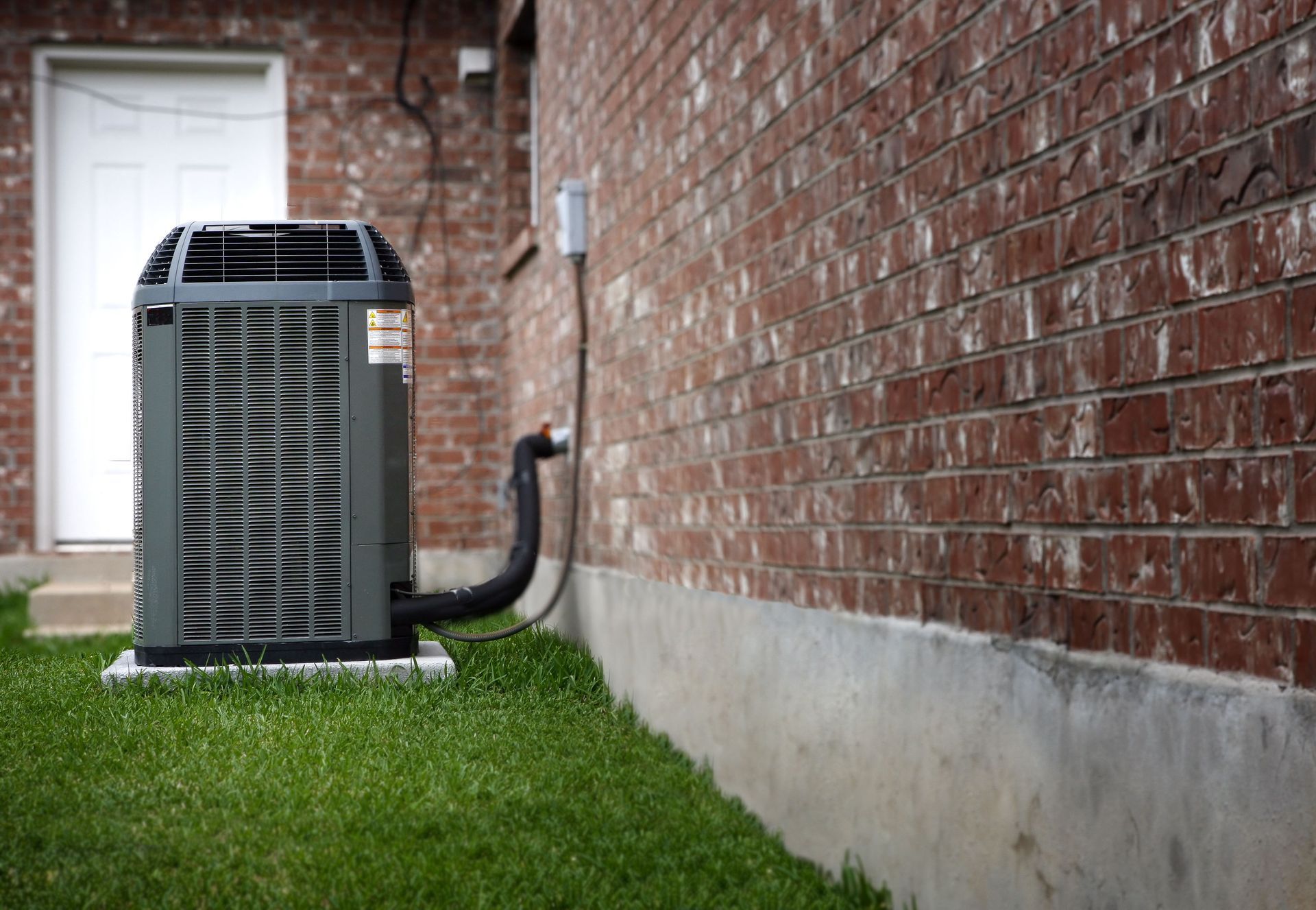
Air conditioners blowing warm air while set to cool indicate problems within the cooling process. Low refrigerant levels, dirty outdoor coils, or compressor failures prevent air conditioning units from removing heat effectively. Running cooling equipment with low refrigerant levels can damage compressor components permanently. Turning off the unit prevents mechanical harm while waiting for technical assistance. Requesting timely HVAC repair allows trained technicians to locate leaks, seal fittings, and restore fluid levels safely.
Managing Visible Leaks and Moisture
Refrigerant leaks reduce cooling performance while causing ice formation on cooling coils. Tiny leaks in copper tubing or loose fittings allow refrigerant gas to escape gradually over time. Operating cooling equipment with low refrigerant forces compressor motors to run continuously, leading to premature breakdown.
Getting quick HVAC repair stops fluid loss, seals leaking copper tubes, and restores system balance. Timely repairs protect major components and maintain cooling capacity.
Stopping Water Accumulation Around the Unit
Puddles forming around indoor equipment usually stem from clogged condensate lines or cracked drain pans. During cooling operations, systems pull moisture from indoor air, creating water that must drain away safely. A blocked drain pipe causes water to overflow drain pans and pool around the unit. Excess water can cause structural damage to surrounding floors, walls, and ceilings.
Clearing drain lines quickly stops water accumulation and prevents costly moisture damage.
Addressing Critical Safety Hazards
Cracked heat exchangers in fuel-burning furnaces create serious carbon monoxide hazards. Carbon monoxide is an invisible, odorless gas that creates health hazards when present indoors. Annual furnace inspections help spot cracks in heat exchangers before dangerous fumes escape into living areas.
Installing carbon monoxide alarms on every floor provides vital early warnings. If an alarm sounds, evacuate immediately and seek professional furnace evaluation.
Eliminating Electrical Risks
Exposed wiring, loose terminal connections, or worn insulation create electrical hazards in heating and cooling equipment. Corroded connections can cause electrical arcing, damaging control boards and tripping breakers. Routine inspection of electrical panels, contactors, and capacitors ensures stable power distribution to all components. Replacing damaged wires and tightening connections prevents unexpected system shutdowns. Professional service keeps electrical circuits operating safely.
Reducing Potential Fire Hazards
Overheating motors, clogged exhaust pipes, and short circuits represent fire risks in heating equipment. Dust buildup on electrical components can ignite if exposed to excessive heat or electrical sparks. Keeping equipment areas clear of stored items maintains proper airflow around heating units. Scheduling professional inspections before cold weather arrives verifies that ignition controls and burners operate correctly. Addressing warning signs quickly minimizes safety risks across your home.
When you notice warning signs or experience sudden equipment failures, professional assistance ensures reliable solutions. For dependable assistance with your heating or cooling system, contact Alliance Mechanical today for emergency HVAC repair. Our experienced technicians provide complete inspection, maintenance, and emergency service to keep your home comfortable in every season.